Sectoral & Thematic Funds: When to Consider
Sectoral and thematic funds sit at an interesting crossroads in Indian equities. They offer exposure to specific growth narratives while potentially accelerating portfolio diversification through a focused lens. In this guide, we explore what makes sectoral and thematic funds distinct, how to evaluate them, and when they can fit into a thoughtful, risk-aware investment plan.
Table of Contents
Introduction to Sectoral & Thematic Funds
What Are Sectoral Funds?
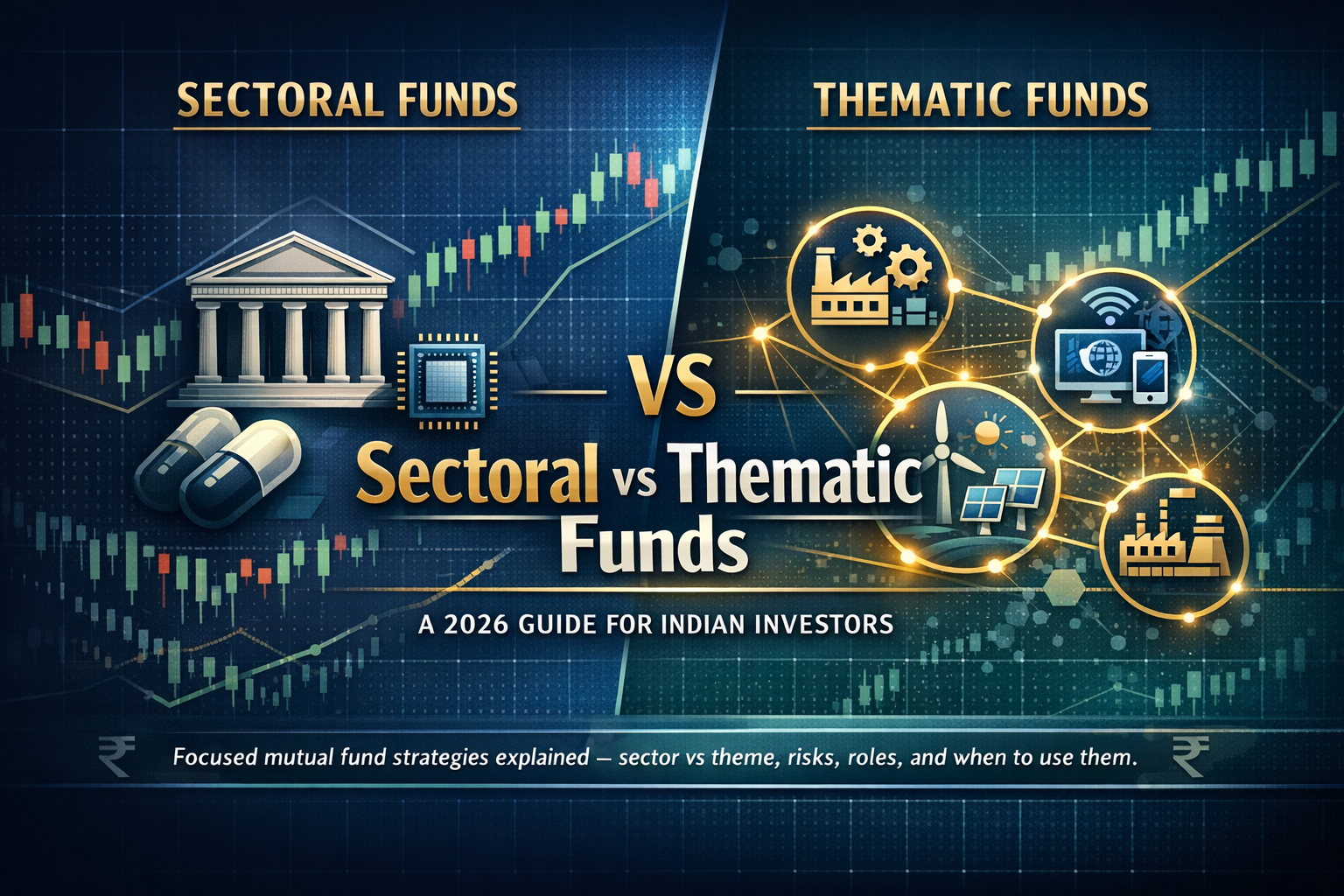
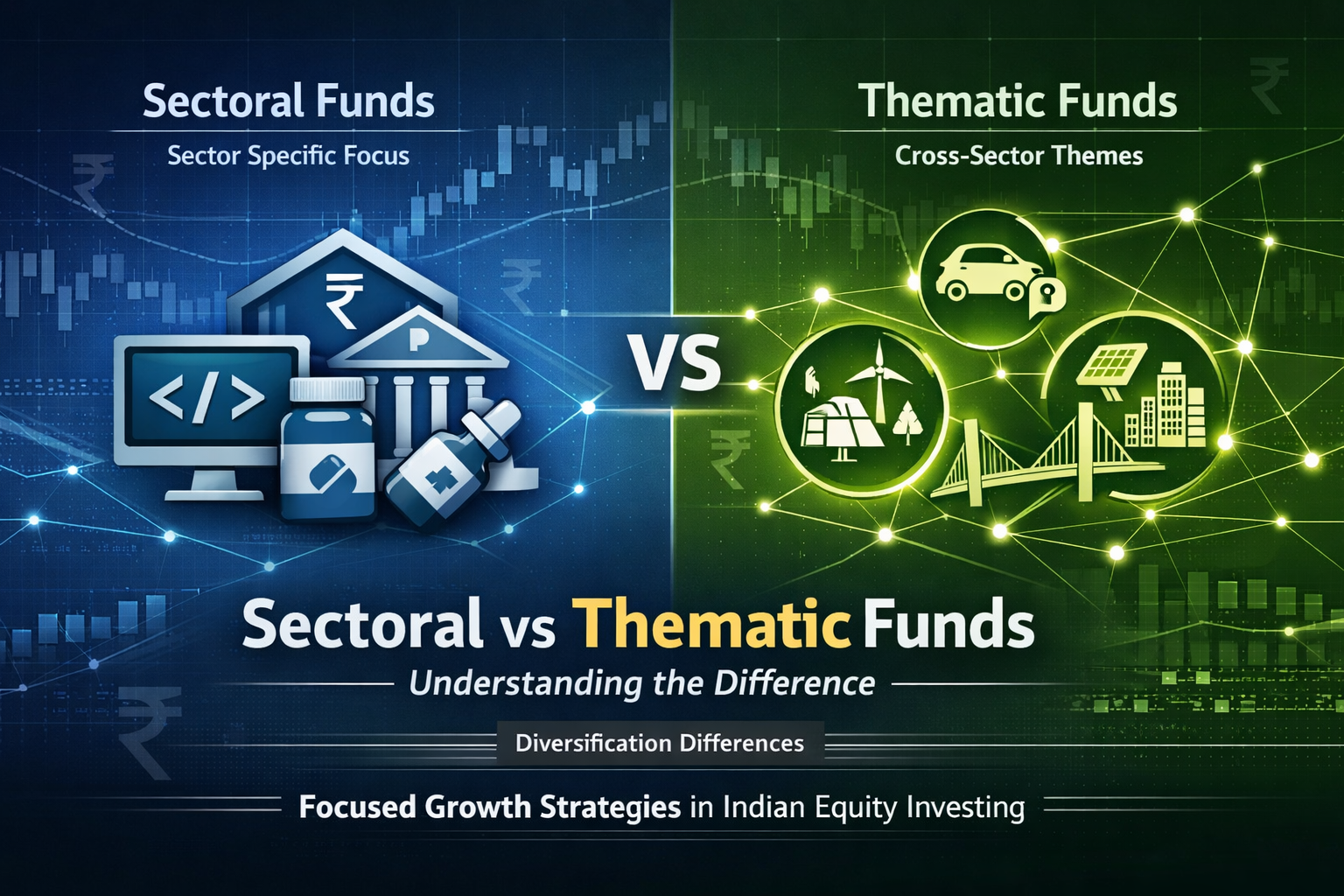
Sectoral funds invest with a strong emphasis on a single industry. SEBI guidelines require a substantial portion of assets to be allocated to stocks within the chosen sector, often around 80 percent, to maintain their sector-specific mandate. This creates a clear, thematic focus that can align with long-term industry growth or cyclical upswings.
What Are Thematic Funds?
Thematic funds look across multiple sectors, linking holdings to a macro theme such as digital economy, energy transition, or green technology. The aim is to capture broad shifts rather than a single industry, which can provide broader thematic participation even as individual stocks move in concert with the theme.
Key Differences Between Sectoral and Thematic Funds
At a structural level, sectoral funds concentrate on one industry, whereas thematic funds pursue a cross-sector theme. A simple comparison helps investors see how the two approaches differ in diversification, risk, and usage.
| Investment Focus | Number of Sectors or Exposure | Diversification Impact | Ideal Use-case |
|---|---|---|---|
| Sectoral funds | Primarily one industry | Higher concentration risk; lower diversification across sectors | When you want to express a conviction in a specific industry cycle or policy thrust and can tolerate higher volatility |
| Thematic funds | Cross-sector exposure tied to a macro theme | Broader thematic exposure; still concentrated around the theme | When you want to participate in a secular trend that spans multiple sectors and you maintain a diversified core elsewhere |
Industry-focused funds can outperform when the sector is in a strong growth phase, while themes can ride longer secular shifts across multiple industries.
Benefits of Sectoral/Thematic Funds
Exploring the benefits helps investors see where these funds can fit in a larger portfolio.
Potential for High Returns
If a sector or theme enters a strong growth phase, sectoral or thematic funds can deliver outsized gains. Experts note that the timing of sector performance can drive sharp returns when the sector or theme rallies. A thoughtful approach recognizes the possibility of high upside while acknowledging the risk that the cycle can pivot. When stocks of a particular sector perform well, schemes focusing on it can deliver exceptionally high returns.
Focused Exposure
Sectoral and thematic funds provide targeted exposure without needing to pick individual stocks within a sector or across many stocks that fit a theme. This can simplify participation in a growth area while keeping the core diversified portion of the portfolio intact. For investors who want to tilt toward a compelling narrative while maintaining overall balance, these funds can serve as a strategic satellite along with a broader core.
Risks and Limitations
Every investment has trade-offs. Sectoral and thematic funds carry distinctive risk characteristics that investors should understand:
Concentration Risk & Volatility
With an emphasis on a single sector or a narrow theme, concentration risk can be substantial. The potential for high volatility is a natural consequence of a focused mandate. A balanced approach often involves weighing this risk against the long-term thesis and keeping exposure within a defined cap.
Market Timing Risk
Entry timing can influence outcomes. The idea that timing entry and exit is critical reflects the reality that cycles, policy shifts, and macro developments drive performance. Investors who attempt to time themes may face setbacks if the cycle reverses. Timing is challenging, and many investors favor lump-sum or systematic approaches to participate without attempting precise market timing.
Lack of Diversification
Even with a broader theme, sectoral or thematic funds tend to diverge from broad-market indices much more than pure diversified funds. The result can be higher volatility and, in some periods, meaningful drawdowns. In comparison, diversified funds across the broad market continue to be a stabilizing core for many investors.
When to Consider
Core guidance on these fund categories centers on alignment with risk tolerance, time horizon, and portfolio structure.
Investor Profile & Time Horizon
These funds may suit experienced investors with higher risk tolerance and longer horizons, typically 5–7 years or more. New investors or those needing liquidity in the short term may prefer a diversified core instead.
Core-Satellite Strategy
Think of sectoral/thematic funds as a satellite over a diversified core. This approach aims to combine a solid core with tactical tilts toward compelling themes or sectors. A common recommendation is to limit total exposure to a small portion of the equity portfolio.
Market & Economic Indicators
Macro signals, policy developments, and sector-specific catalysts can guide timing. For example, infrastructure or banking themes may look favorable when the government announces stimulus or policy reforms that support those sectors. Ongoing due diligence remains essential, as forward-looking indicators often guide theme viability more reliably than past performance.
Theme-Specific Triggers
Regulatory changes or secular trends (such as energy transition or digital acceleration) can act as triggers. Reading credible research and staying updated on policy shifts helps in assessing whether a theme is entering a favorable phase.
How to Evaluate and Invest
Practical steps help investors build a disciplined approach to sectoral and thematic funds:
Fund Selection Checklist
- Track record over at least 3 years within the fund’s category
- Reasonable expense ratio in line with the fund’s mandate
- Alignment with the underlying theme or sector thesis
- Strength of the fund house and governance
- Clear disclosure of concentration and risk factors
- Consistent disclosure of portfolio holdings and changes
Entry/Exit Strategy
- Consider SIPs to reduce timing risk and smooth through market cycles
- For nascent themes, a cautious approach with limited exposure may help manage risk
- Avoid large discretionary timing bets; focus on steadily adding exposure through disciplined investing
Portfolio Monitoring
- Schedule regular reviews of sector outlook and macro indicators
- Be prepared to adjust allocations if the theme loses momentum or if fundamentals change
- Maintain a ready plan for rebalancing to preserve diversification
Conclusion & Key Takeaways
Sectoral and thematic funds can be meaningful complements to a diversified portfolio when used thoughtfully. They suit investors who have a clear conviction, a longer time horizon, and a risk-aware approach that includes a core diversified position. The core message is to maintain discipline, monitor macro and policy signals, and use these funds as a satellite to capture structural growth while preserving overall portfolio balance. (~ nano)
Disclaimer: Mutual fund investments are subject to market risks. Read all scheme-related documents carefully before investing. Past performance is not indicative of future results. The content above is for educational and informational purposes only and should not be construed as investment advice.